
Routines
A healthy weekly plan without diet stress: flexible, not perfect
A useful weekly plan reduces decisions without prescribing every day. A few flexible building blocks make shopping and everyday meals easier.
- By
- Sonuç Al Editorial Team · Evidence-informed editorial team for practical health information
- Reviewed by
- Sonuç Al Editorial Team · Editorial source review; not a medical expert review
- Updated
- 24 August 2026
- min read
- 3
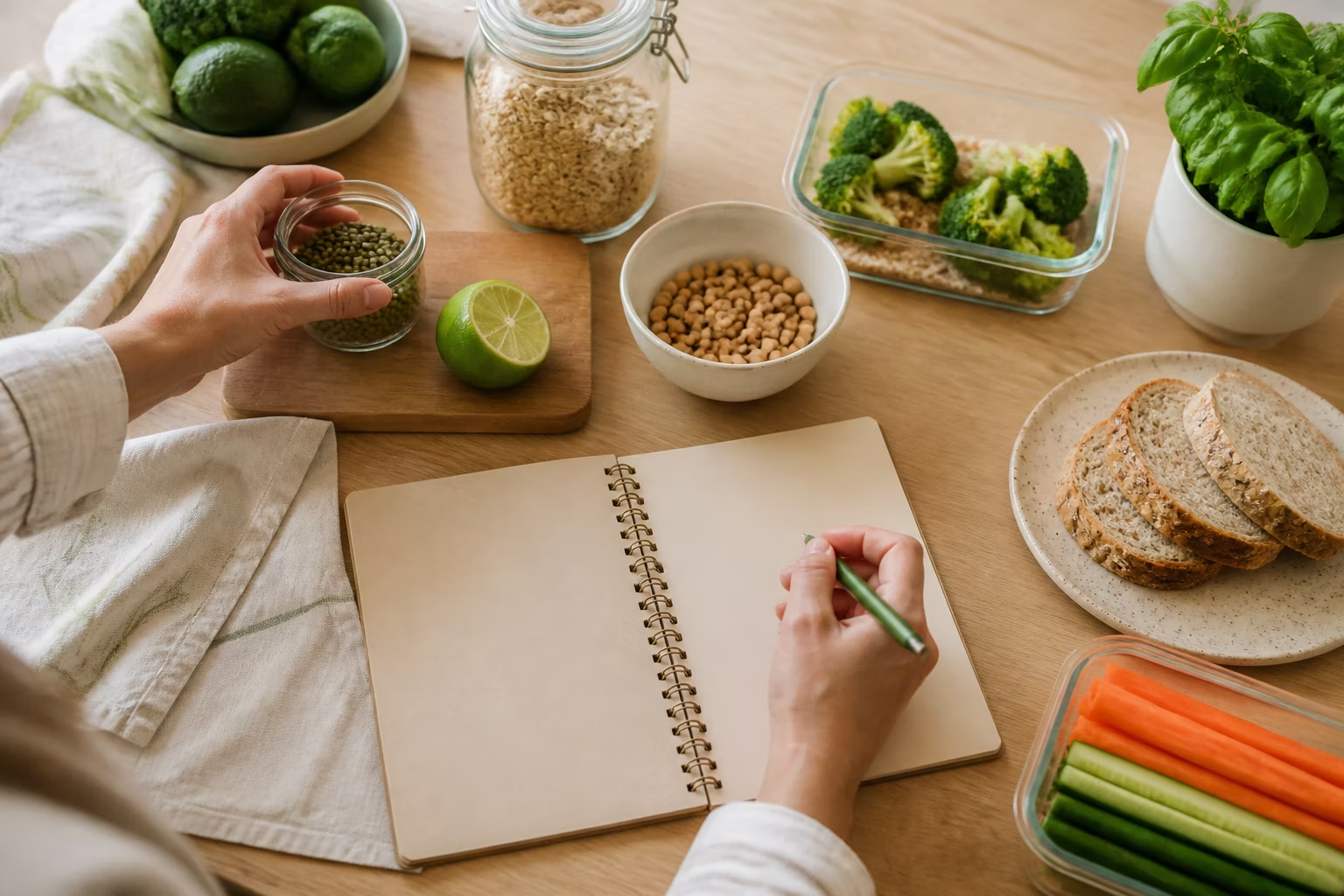
A weekly plan should make life easier, not become another test. Rigid plans often fail because appointments, appetite, family life, and working hours do not stay the same every day. A flexible structure deliberately leaves room for change.
Seven building blocks instead of seven perfect days
Choose foods that can be combined in different ways:
- Two to four vegetables, fresh or frozen.
- Two fruits for breakfast, snacks, or dessert.
- Two satisfying bases such as potatoes, oats, wholegrain bread, rice, or bulgur.
- Two protein sources, such as lentils and yoghurt, beans and eggs, or tofu and fish.
- One quick flavour base such as herbed yoghurt, tomato sauce, or lemon and oil.
- One long-life backup meal, such as wholegrain bread with bean spread or vegetable soup.
- Space for leftovers, an invitation, the canteen, or a spontaneous choice.
The same ingredients can become different meals. Roasted vegetables can go with potatoes today and rice tomorrow. Lentils can become a side, soup, or filling. This reduces food waste and the number of daily decisions.
The 20-minute planning routine
Look in the fridge, freezer, and cupboard first. Mark only the days when you are actually eating at home. Give those days one main meal idea and list the ingredients that are missing. Start with leftovers rather than from zero.
Match the plan to available time:
- Very little time: a sandwich plate, vegetable omelette, soup, or prepared portion.
- More time: cook one meal that can be combined differently the next day.
- Uncertain day: keep a reliable backup available without forcing a fixed meal.
Make the habit small enough
NIDDK guidance on changing habits recommends specific goals and a plan for obstacles. “I will always eat healthily” is difficult to act on. “On Sunday I will choose two vegetables and one protein source for the week” is observable and realistic.
If a week does not work, treat that as information rather than failure. Was the shopping list too long? Was there no quick alternative? Were the portions unsuitable? Change one part and test the plan again.