
Everyday nutrition
The balanced plate: practical meals without rigid food rules
A simple plate model helps you combine vegetables, satisfying carbohydrates and protein into flexible meals that work in everyday life.
- By
- Sonuç Al Editorial Team · Evidence-informed editorial team for practical health information
- Reviewed by
- Sonuç Al Editorial Team · Editorial source review; not a medical expert review
- Updated
- 24 August 2026
- min read
- 3
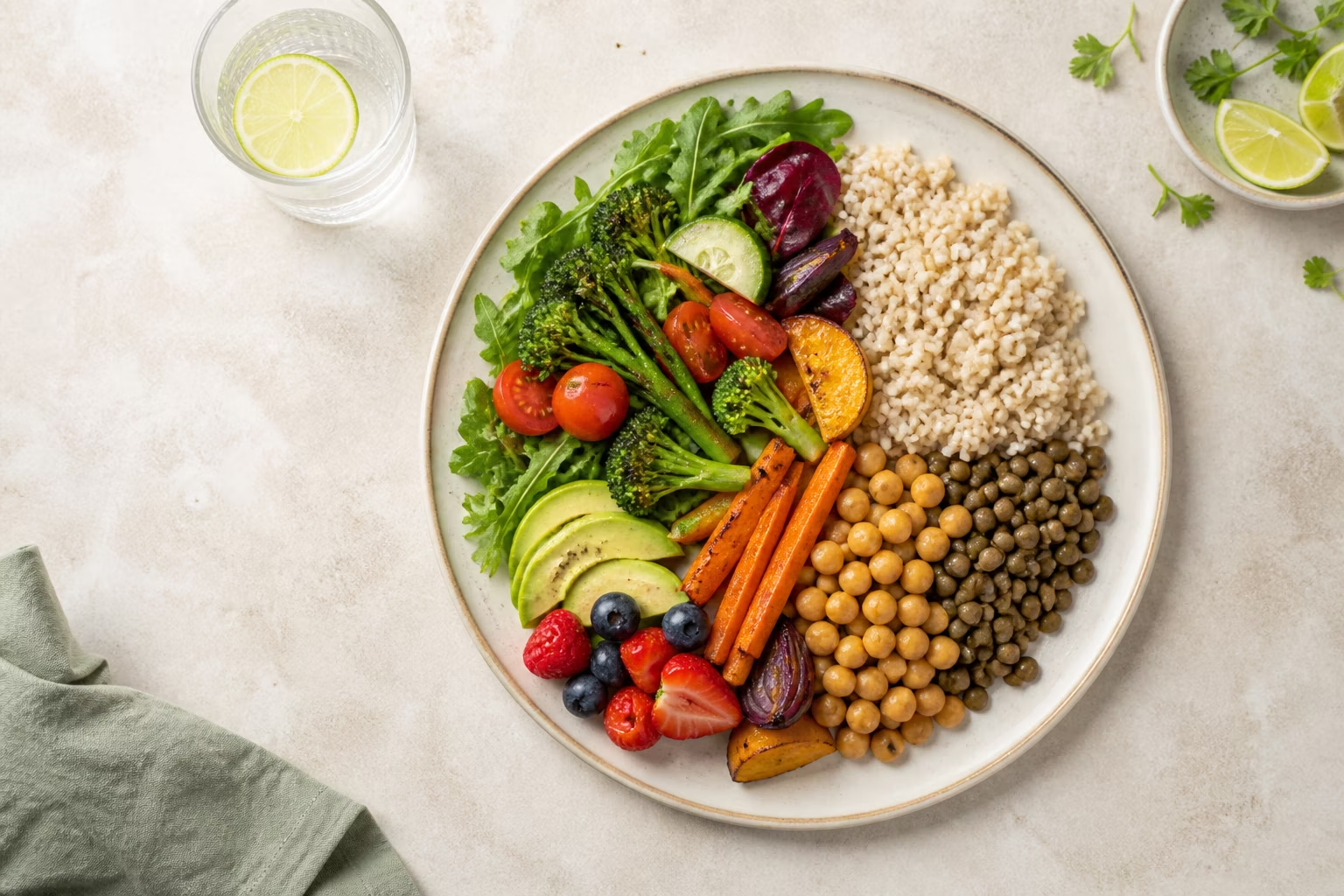
A balanced meal does not need to look perfect or contain unusual ingredients. The healthy and sustainable plate model turns broad nutrition guidance into a picture you can use at home, in a restaurant, or at work.
The basic model
The Austrian public health portal describes the plate like this:
- One half vegetables and fruit. In everyday meals, vegetables can make up the larger share. Fresh, frozen, raw, or gently cooked options can all be practical.
- One quarter whole grains or potatoes. Oats, wholegrain bread, brown rice, bulgur, wholewheat pasta, and potatoes are examples.
- One quarter protein, including plant sources regularly. Beans, lentils, chickpeas, tofu, yoghurt, eggs, fish, or another suitable food can fill this part.
Water or an unsweetened drink completes the meal. The model is a guide, not a mathematical rule. Hunger, culture, activity, work patterns, and personal tolerance all influence the amount that is right for you.
Turning the model into a real meal
Start with three building blocks rather than a list of forbidden foods. Choose two vegetables or fruits, add a satisfying grain or potato, and finish with a protein source. A little plant oil, nuts, seeds, herbs, or spices can add flavour.
Examples include:
- Roasted vegetables with potatoes, herbed yoghurt, and lentils.
- Wholegrain bread with bean spread, tomatoes, cucumber, and a piece of fruit.
- Brown rice with broccoli, peppers, tofu or fish, and a simple lemon dressing.
- Oats with yoghurt or a fortified plant alternative, berries, and nuts.
Every meal does not have to match the proportions exactly. The overall pattern across a day and week matters more.
Flexible, not perfect
Frozen vegetables without a heavy sauce, jarred pulses, and pre-cooked whole grains can save time. Someone with a small appetite may prefer smaller portions. Someone with an active job or long working day may need more energy. Vegetarian and mixed diets can both use the same framework.
One food does not make an entire diet healthy or unhealthy. Sweets and highly processed foods do not need moral labels either. A more useful question is: what do I eat most of the time, and what small addition could make this meal more balanced today?